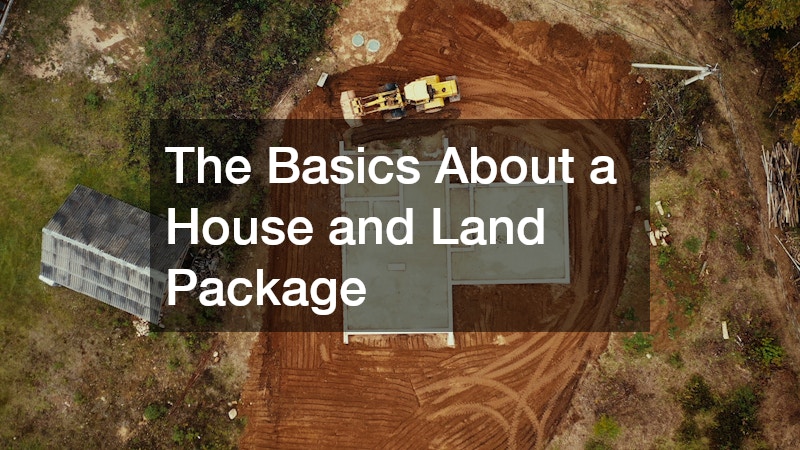
A house and land package offers a streamlined process for those looking to build a new home. It combines the purchase of a block of land with a contract to build a home on it, providing a one-stop solution for prospective homeowners.
These packages offer various benefits, such as reduced costs and greater opportunities for customization compared to purchasing established homes. For individuals seeking modern amenities and the ability to personalise their living space, house and land packages are a compelling option.
Understanding the details of these packages is essential for making informed decisions. This article aims to provide comprehensive insight for potential buyers considering this approach to homeownership.
What is a House and Land Package?
Definition and Key Components
A house and land package typically includes a pre-selected block of land and a selection of building designs. Buyers can choose both the land and home design, allowing them to tailor their living experience to their preferences.
The components of these packages include the purchase of a developer’s land and the construction of a home, usually facilitated by a single builder. This bundled approach offers a simplified path, easing the complexities often associated with building from scratch.
While the initial choices are made collectively, each aspect can still be customised to suit individual tastes. This aspect of customisation is a significant draw for many first-time homebuyers.
Difference from Buying Established Property
House and land packages differ from buying an established property in several ways, primarily regarding cost-effectiveness. Purchasing an existing home might limit customisation options and may involve additional costs for renovations.
In contrast, these packages allow buyers to move into a brand-new house designed to their specifications. The convenience of dealing with fewer parties and the possibility of reduced stamp duty are additional benefits.
Although time-consuming due to construction phases, this method often results in a home that better suits the buyer’s lifestyle and needs. Customisation is a major factor that makes house and land packages more attractive than established homes.
How Does the Buying Process Work?
Steps in Purchasing a Package
The process of buying a house and land package typically begins with selecting the desired location and assessing various builders’ offers. Buyers then enter into contracts for both the land purchase and building construction.
Once the contracts are signed, buyers will work closely with builders to finalise home designs and specifications. Construction begins after the planning and permitting processes are completed, with regular updates provided during the build.
Upon finalisation, buyers conduct a walkthrough to ensure everything aligns with the contract and expectations. This step-by-step approach, while systematic, requires attention to detail to prevent any complications.
Involvement of Financial Institutions
Banks and other financial institutions play a crucial role in financing house and land packages. They offer various mortgage options tailored to cover both land and construction costs.
Prospective buyers must secure pre-approval from lenders before engaging in contracts with developers. This ensures that financing is arranged, offering peace of mind as the process moves forward.
Lenders may release construction funds in phases, contingent on the completion of specific building milestones. Understanding these terms is essential for a smooth financial transaction, with buyers encouraged to maintain ongoing communication with their bank.
What are the Pros and Cons?
Advantages of House and Land Packages
The benefits of house and land packages are numerous, with cost-effectiveness being a significant advantage. Buyers often find this option more affordable than purchasing and renovating older homes.
Additionally, the opportunity for design customisation allows for a personalised home environment suited to an individual’s lifestyle. With modern sustainable building practices, these homes can also offer long-term savings on utilities.
Some packages may provide tax benefits, particularly for first-time buyers, adding to the financial advantages. These elements make house and land packages an appealing choice for many prospective homeowners.
Potential Drawbacks
However, there are potential drawbacks to consider, such as possible construction delays that can extend the time before moving in. Factors beyond the buyer’s control, like weather and supply chain issues, can affect timelines.
Design limitations may also pose challenges, with certain developers offering a fixed range of options. While customisation is celebrated, it may be bound by these constraints, hindering complete freedom of choice.
Furthermore, location concerns can arise if the package is situated in newly developed areas without established amenities. Careful examination of these factors is necessary to mitigate any future inconvenience.
How to Choose the Right Location?
Factors to Consider
Choosing the right location is pivotal, with aspects like proximity to schools, healthcare, and public transport being crucial. A strategic location can enhance the living experience by ensuring connectivity and convenience.
Researching the area’s growth potential is equally important, as it factors into long-term property value appreciation. Buyers should consider whether the development aligns with their lifestyle priorities.
The characteristics of the neighbourhood, including community vibes and safety, should also be on the checklist. Assessing these elements helps in making a well-rounded decision when selecting a house and land package.
Research and Evaluation Tips
Conducting thorough research before committing to a location can prevent future dissatisfaction. Visiting potential sites and comparing them can provide a clearer picture of what’s on offer.
Buyers are encouraged to utilise online resources and consult local property experts to gather comprehensive data. Engaging with current residents might offer insightful firsthand perspectives on neighbourhood life.
Ultimately, a combination of research, visits, and expert advice ensures a well-evaluated decision. These steps foster confidence in selecting the right place to build a dream home.

About the Author